
Chapter I
Excavators & loaders: how the finance usually works
Yellow iron holds its value better than most business assets, but lenders still ask careful questions. Here is what tends to matter.
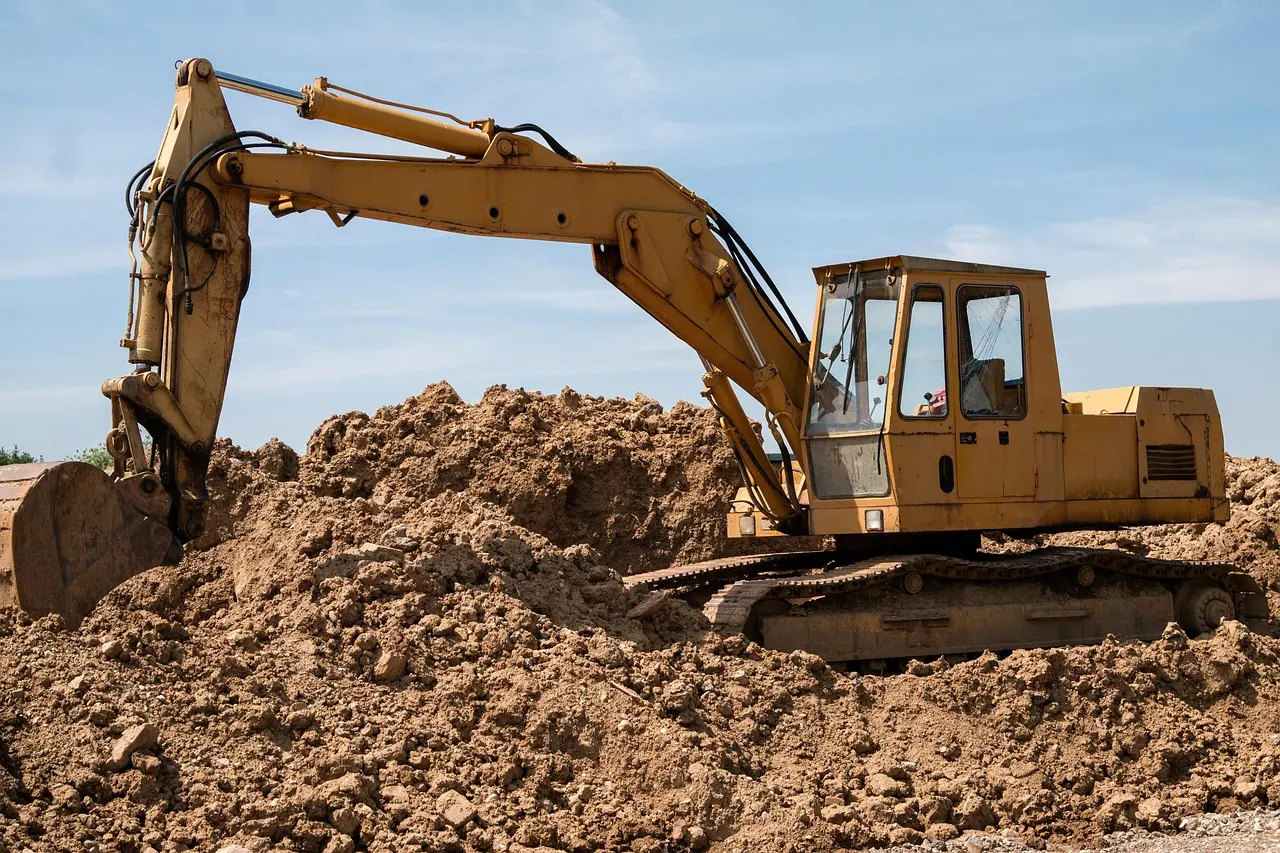
An excavator, backhoe or wheel loader is a different proposition to a ute. It is a productive asset with a long working life, a deep second-hand market and a price tag that can run well into six figures. Lenders treat it accordingly, and understanding how they think puts you in a better position to ask the right questions.
What lenders typically look at
Every lender sets its own criteria, so treat this as a general picture rather than a checklist. Commonly, a lender will consider:
- The machine. Make, model, age, hours and condition. Well-known brands with a strong resale market are generally easier to assess than obscure or heavily modified machines.
- The business. How long it has been trading, its financials and the work it has coming in.
- You. Credit history, existing debts and, for smaller businesses, sometimes the owner's personal position.
- The seller. A dealer sale and a private sale can be treated differently, and some lenders ask for more evidence on private deals.
New versus used
New machines come with a warranty and, usually, simpler paperwork. Used machines cost less to buy but carry more risk of downtime. Many earthmoving operators buy used, and plenty of lenders will fund machines of reasonable age, though terms may be shorter as the machine gets older. Ask any lender what age limits apply at the end of the term, not just at settlement.
A machine that is four years old today will be nine at the end of a five-year loan. Lenders think about that end date, and so should you.
The numbers in plain terms
For illustration only, a $100,000 loan over five years at 8.00% a year with equal monthly repayments works out to roughly $2,028 a month, around $121,700 repaid in total. That is an example, not a quote. Real rates vary with the lender, the borrower, the machine and the structure, and fees apply. Always compare using the comparison rate, which folds most fees into one figure.
| Feature | What it means | Worth asking |
|---|---|---|
| Deposit | Cash or trade-in put in at the start | Is a deposit required, and does a trade-in count? |
| Term | Length of the loan, often one to seven years | Does the term suit how long you will actually keep the machine? |
| Balloon | A lump sum owed at the end, which lowers repayments | How will I pay the balloon, and what if the machine is worth less? |
| Fees | Establishment, monthly or early-exit costs | What is the comparison rate? |
Utilisation: the figure that keeps you honest
Before signing, work out what the machine needs to earn. Take the full monthly cost (repayment, insurance, fuel, servicing, tyres or tracks, transport) and divide by the hours you realistically expect to bill. If you are counting on 120 hours a month and your best three months only reached 80, the repayment is the wrong size, however attractive the machine.
A note on attachments and trailers
Buckets, hydraulic hammers, tilt hitches and the float to carry the machine can sometimes be bundled into the same finance. It can be cleaner than paying for them out of cash flow, but check that each item is clearly listed on the invoice.
Before you apply
- Get recent financials and BAS statements together.
- Know the machine's serial number, hours and service history.
- Ask for an indicative structure and the comparison rate in writing.
- Read about borrowing basics at ASIC's MoneySmart and small business resources at business.gov.au.
When you are ready to ask a real question about your own situation, you can start a finance enquiry. Finance is subject to lender approval.
Common questions
Can I finance a used excavator?
Often yes, though lenders look at age, hours and condition, and may offer shorter terms on older machines. It depends on the lender and the application.
What is a balloon payment?
A lump sum due at the end of the loan. It lowers regular repayments but you still have to pay or refinance it, so plan for it from day one.
Does a trade-in count as a deposit?
Sometimes. Whether and how a trade-in is treated depends on the lender and the deal.
Next in the guide: Chapter II: Tractors & harvesters
Ready to ask about finance for your next machine?
Start a finance enquiry