
Chapter II
Tractors & harvesters: finance on the farm
Farm machinery earns in bursts and sits idle between. That changes how you should think about the loan.
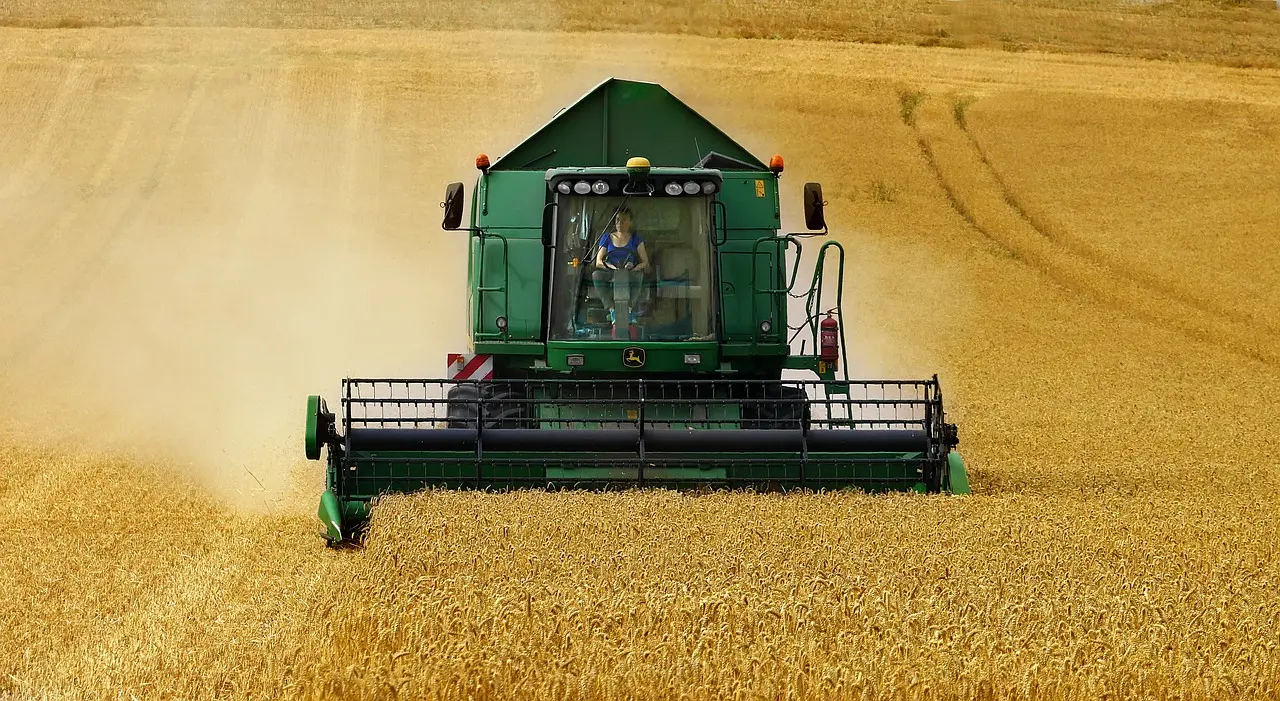
A header might work hard for six weeks a year. A tractor might run most days but peak around seeding. Compared with a loader on a civil job, the machine's earning pattern is lumpy, and the sensible finance structure usually follows the same pattern.
Core machines, core questions
| Machine | Typical use pattern | Finance considerations |
|---|---|---|
| Tractor | Year-round, peaking at seeding and haymaking | Hours, horsepower class, whether it is the main workhorse |
| Combine harvester | Short, intense harvest window | High price, heavy depreciation per hour, timing of repayments |
| Sprayer and seeder | Seasonal, tied to crop calendar | Technology age and software support |
| Baler and hay gear | Brief seasonal burst | Contract work can justify ownership |
Own it, share it, or contract it
Before financing a combine, many growers do the sums on custom harvesting. A machine used 200 hours a year still has full-year depreciation, insurance and finance costs. Contracting can be the cheaper path for smaller areas. If you do buy, some farmers also earn income by harvesting for neighbours, which helps spread the cost, though it adds wear and scheduling pressure.
Trade-ins and the timing trap
Farm machinery prices tend to be stronger when conditions are good and softer when seasons are poor. If you are buying in a year when cash is tight, you may be tempted to stretch the term or take a larger balloon. That can work, but check what happens if the machine is worth less than the balloon when the loan ends.
What lenders may want to see
- A farm or business financial history, often several years.
- An understanding of the enterprise mix, such as grain, livestock or mixed.
- The condition and age of the machine, and whether it is being replaced.
- Evidence of how repayments will be met across a season.
That last point is where seasonal repayments come in. Some agricultural lenders offer structures that match repayments to when income arrives. Others expect monthly repayments regardless.
Equipment alongside the paddock
If you are replacing a machine, you may be able to sell the old one privately and put the proceeds toward the new purchase. A national listing site can reach buyers well beyond your shire. Our sell your machine page explains what to prepare.
Government and industry resources
Business.gov.au lists grants and programs that can change as time goes on. Check business.gov.au for what is currently available, and speak to your accountant about the tax side (see GST and tax basics).
Common questions
Is it worth financing a harvester I will only use for a few weeks?
It depends on the area you farm and whether you do contract work. Compare the full annual cost of owning against custom harvesting before deciding.
Do lenders finance older farm machinery?
Some do, depending on age, condition and the term. Terms are often shorter for older machines.
Can I get a lower repayment in the off-season?
Some lenders offer seasonal or step-style structures. Ask directly; availability varies.
Next in the guide: Chapter III: Seasonal repayments
Ready to ask about finance for your next machine?
Start a finance enquiry